Learn the essentials of video annotation for machine learning and computer vision-techniques, tools, applications, and future trends.
Giới Thiệu
Video annotation refers to the process of labeling elements within video footage so machine learning (ML) models can understand motion, actions, and contextual relationships over time. Unlike image annotation-where a single static frame is labeled-video annotation must capture temporal continuity, tracking how objects move, interact, and change throughout the sequence.
Whether the goal is to detect traffic activity, recognize human actions in AR applications, or analyze surgical procedures, video annotation serves as the foundation for computer vision systems that interpret the world in motion.
In this guide, we’ll explore:
- How video annotation works
- Common annotation techniques and tools
- Its role in developing ML models
- Real-world applications
- Key challenges and emerging trends
What is Video Annotation?
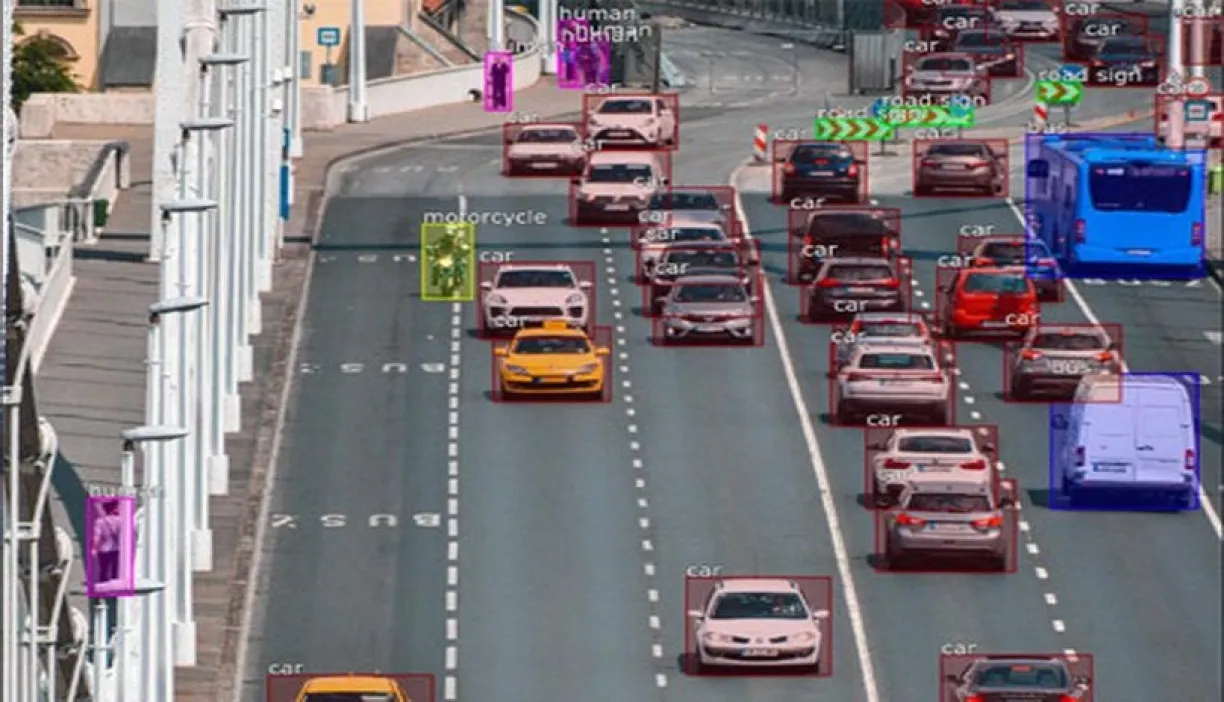
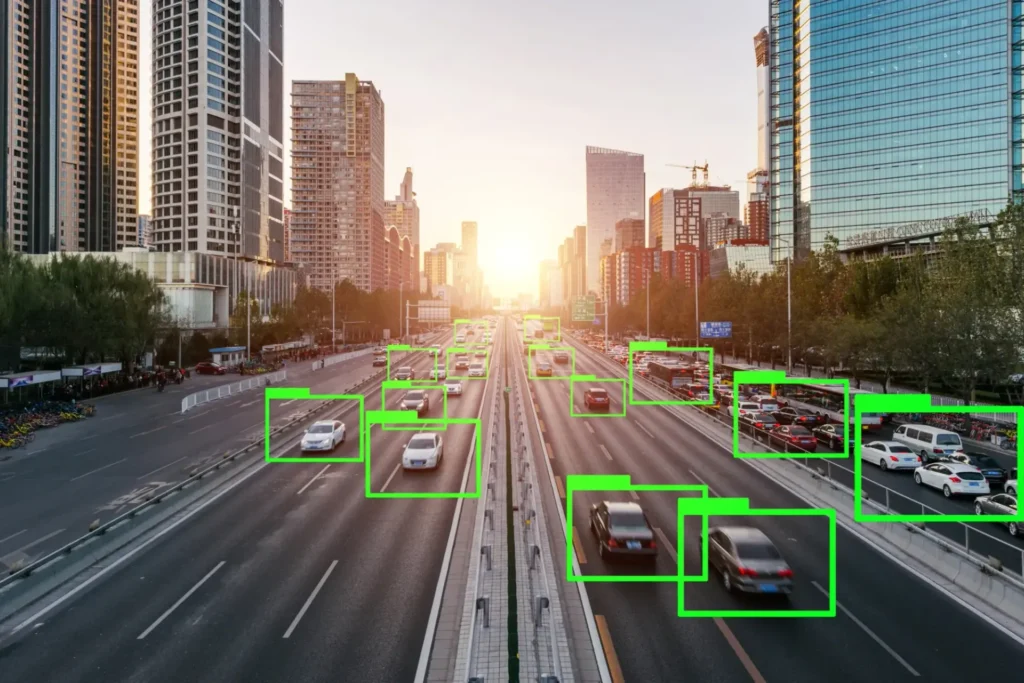
This illustration shows video annotation in traffic analysis, using bounding boxes for vehicles, pedestrians, and signs.
At its simplest, video annotation involves labeling objects, regions, or events across a sequence of frames. This enables ML models to understand not only what appears in a video but how it evolves over time.
For example, a self-driving system cannot rely on a still image of a stop sign. It must learn how the sign enters the scene, how lighting or weather affect visibility, and how it relates to surrounding objects like vehicles or pedestrians.
Video annotation adds context-what is moving, what is stationary, and how elements interact-which is essential for action prediction, safety applications, and advanced vision tasks.
Discover how much your video annotation project might cost with our simple cost estimator-get an accurate quote tailored to your needs!
Video Annotation for Training Machine Learning Models
Video annotation is fundamental to preparing datasets for computer vision tasks such as motion analysis, object tracking, and real-time environmental understanding.
Training Computer Vision Models
Annotated video supplies the structured data needed for ML models to identify objects, track movement, and interpret complex scenes at high speed.
Real-Time Object Detection and Tracking
By labeling each frame, models learn to follow entities as they move-crucial for autonomous systems, surveillance, and robotics.
Quality Datasets for Machine Learning
High-quality annotated videos ensure models perform reliably across varied settings, lighting conditions, and viewing angles.
Why Video Annotation Matters for Machine Learning
ML systems depend heavily on the quality of their training data. Annotated video provides:
- Higher accuracy – Clean labels reduce misclassifications and support edge-case learning.
- Temporal understanding – Models learn context through motion, not just isolated visuals.
- Environmental robustness – Annotated footage helps systems adapt to real-world variability.
Example:
In autonomous navigation, annotated video enables systems to follow moving cars, interpret pedestrian gestures, and anticipate behavior based on motion patterns.
Video Annotation Techniques
Different tasks require different labeling methods. Some of the most widely used techniques include:
Bounding Boxes
Rectangular boxes outline objects in each frame, ideal for object detection and tracking in fields like traffic analysis or robotics.
Keypoint Annotation
Keypoints mark specific parts of an object-facial landmarks, limbs, or joints-supporting applications such as gesture recognition and pose estimation.
Semantic Segmentation
Each pixel is assigned a label, producing detailed maps of objects and backgrounds. This level of detail is vital for medical imaging, road scene understanding, and robotics.
Interpolation for Seamless Labeling
Instead of annotating every frame, annotators label key frames while intermediate frames are automatically generated through interpolation.
This significantly improves speed, reduces human error, and enhances consistency in object tracking across long sequences.
Tools and Platforms for Video Annotation
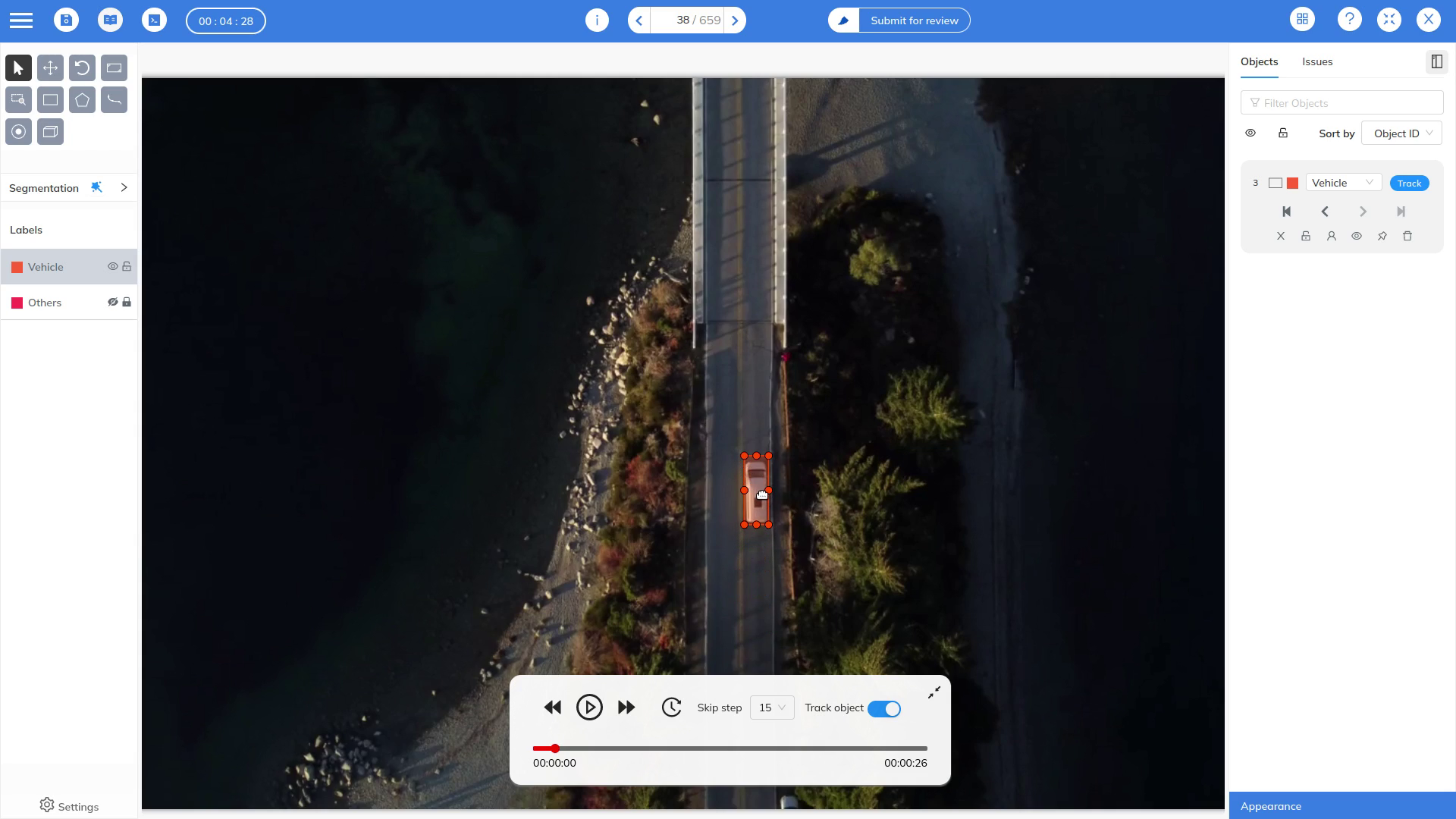
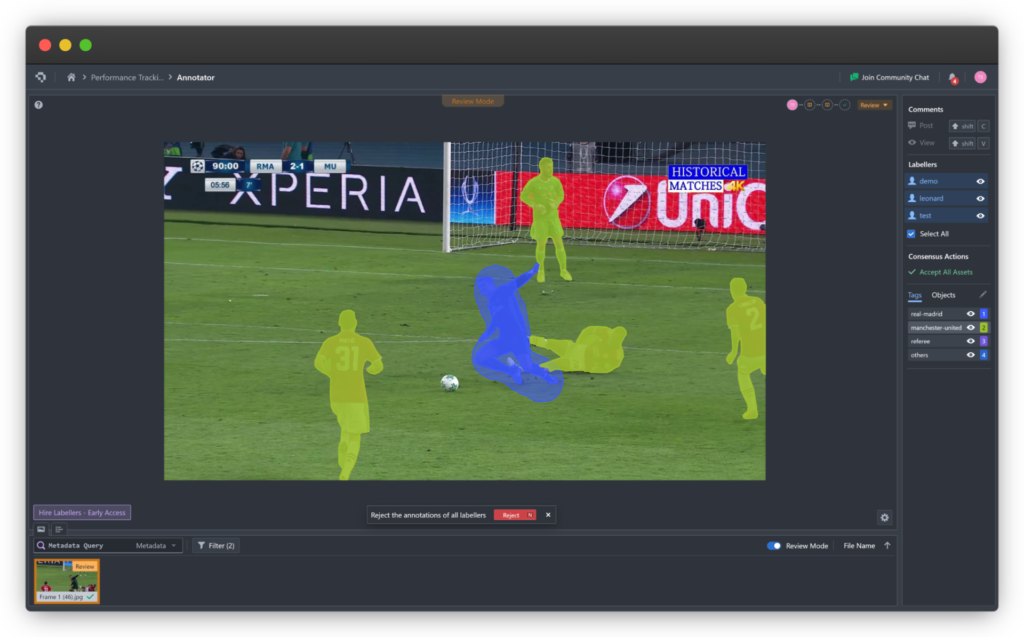
Coral Mountain provides an intuitive interface for managing and labeling large video datasets.
Several platforms support video annotation, each offering different strengths:
- Labelbox: Reliable and feature-rich, though limited in automated annotation tools.
- V7 Darwin: User-friendly interface with built-in auto-annotation capabilities.
- SuperAnnotate: Suitable for general-purpose video annotation needs.
- CVAT: A robust open-source tool, ideal for smaller video projects but less efficient for large footage.
Coral Mountain: A Complete Video Annotation Solution
Coral Mountain stands out by offering:
- Frame-by-frame tools, interpolation, and multi-annotator pipelines
- Support for bounding boxes, keypoints, and segmentation
- Real-time issue tracking and project dashboards
- Scalable workflows for large datasets in autonomous driving, security, agriculture, and more
The platform also includes robust QA systems, productivity reporting, and customizable workflows to maintain accuracy at scale. Try Coral Mountain for free by signing up today.
Real-World Applications
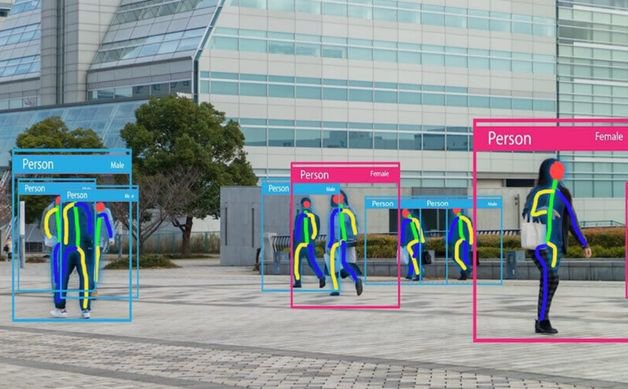
Video annotation powers countless modern AI systems:
Autonomous Vehicles
Used to detect pedestrians, track vehicles, read traffic signs, and interpret road conditions.
Healthcare and Medical Imaging
Supports surgical video analysis, tool tracking, and procedural classification, enhancing diagnostics and robotic assistance.
Retail and Security
Drives customer behavior analysis, theft prevention systems, and real-time threat detection.
Sports and Entertainment
Enables motion capture, athlete tracking, automated highlights, and immersive AR/VR experiences.
Agriculture and Environmental Monitoring
Drone footage can be annotated to assess crop health, track animals, detect pests, or monitor ecological changes.
Challenges in Video Annotation
Video annotation comes with unique obstacles:
Volume and Time
Even short videos contain thousands of frames, making manual annotation labor-intensive.
Consistency Across Frames
Maintaining object identity is difficult when objects overlap, move quickly, or exit the frame.
Annotation Fatigue
Long sessions increase the risk of human error. AI-assisted tools and interpolation help reduce this.
Interpolation for Seamless Labeling
Annotators label only the key frames-those where noticeable changes occur-and interpolation fills the gaps.
This approach offers:
- Efficiency – Fewer frames require manual labeling
- Consistency – Uniform tracking across sequences
- Precision – Annotators focus attention on critical frames
Interpolation is widely used in gesture recognition, object tracking, and motion analysis.
Cost and Scalability
High-quality video annotation requires significant time, manpower, and compute resources. Balancing accuracy with operational efficiency remains a major challenge.
Future Trends in Video Annotation
Advances in AI are reshaping the future of this field:
- GenAI-assisted annotation tools for near-automated labeling
- Synthetic datasets to expand and diversify training data
- Edge annotation on devices for real-time systems
- Human-in-the-loop workflows for QA, scoring, and trust metrics (supported on Coral Mountain)
Conclusion
Video annotation is essential to modern computer vision and machine learning, providing the detailed datasets required to build accurate, reliable AI systems. As annotation methods become more automated and intelligent, their applications will continue to grow across industries-from robotics to healthcare to autonomous transportation.
With platforms like Coral Mountain, teams can label video data more efficiently, collaboratively, and accurately-building the next generation of intelligent, real-time systems.
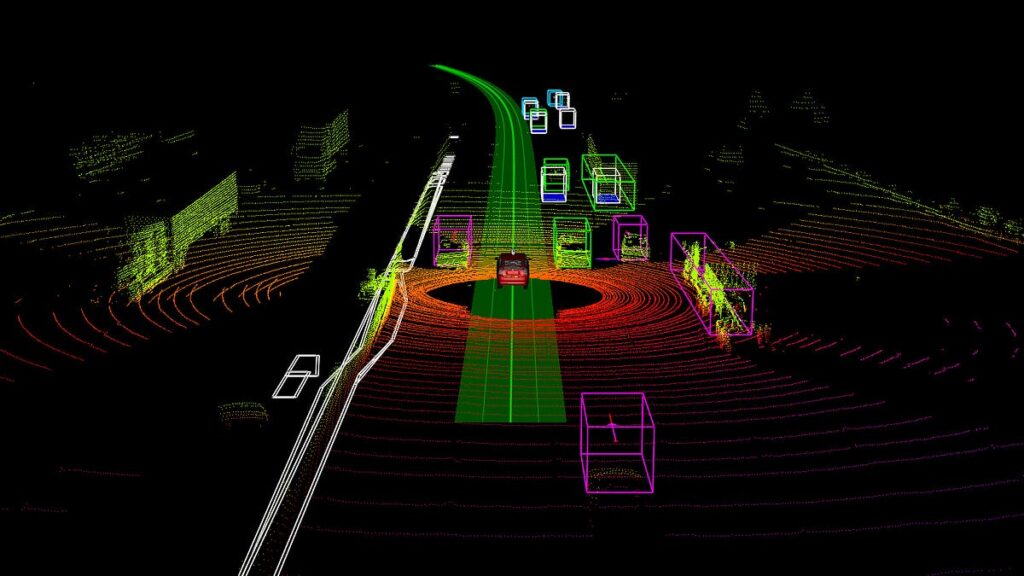
Coral Mountain Data is a data annotation and data collection company that provides high-quality data annotation services for Artificial Intelligence (AI) and Machine Learning (ML) models, ensuring reliable input datasets. Our annotation solutions include LiDAR point cloud data, enhancing the performance of AI and ML models. Coral Mountain Data provide high-quality data about coral reefs including sounds of coral reefs, marine life, waves….