Audio-Visual AI for Patient Monitoring
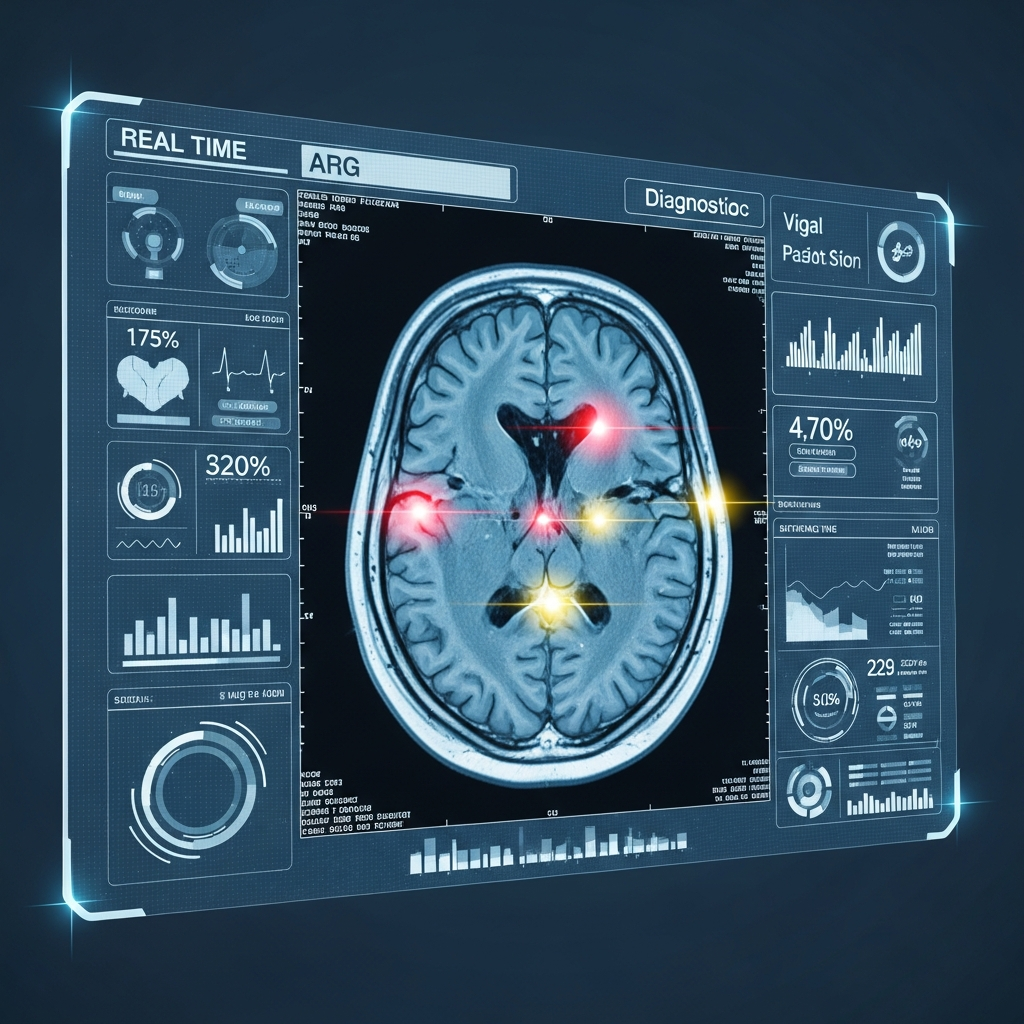
Training AI to recognize visual anomalies and audio cues for safer, smarter healthcare environments like elder care or acute recovery. We provide the privacy-compliant data backbone for AI patient monitoring.
Core Capabilities
Advanced technology built for enterprise scale.

Audio Event Annotation
Validating audio signals to recognize cues such as gasping, coughing, or choking without raising false alarms.

Video-Based Movement Analysis
Tracking patient motion, body orientation, and anomalies that may precede injury or require intervention.

Rapid Response Context
Our teams annotate with situational awareness, mimicking the urgency of clinical situations so context is never lost.

Clinical Relevance
We annotate for clinical intent—flagging what matters and filtering what doesn't so AI generates trusted outputs.
Privacy-First Compliance
Workflows are HIPAA and GDPR aligned, with options for on-device anonymization and audio de-identification.
Regulatory-Ready Data
Our datasets support regulatory pathways including FDA 510(k) and MDR compliance with full traceability.
Proven Applications
See how industry leaders are leveraging our solutions in production environments.
Discuss Your Use Case
Fall Detection & Pre-fall Behavior
Visual cues often tell the story before a fall happens; our annotations teach AI to recognize these risks.
Nighttime Monitoring
Ensuring safety in elderly care units by monitoring changes in motion and distress signals overnight.
Respiratory Distress Alerts
Automated escalation during breathing difficulties by differentiating urgent sounds from background noise.
Postural Instability Tracking
Monitoring slouched posture or unsteady walking in rehab units to dispatch caregiver assistance early.
Bed-Exit Risk Alerts
Real-time alerts for dementia care patients attempting to exit beds unsafely.
Early Detection of Agitation
Using verbal distress indicators to notify staff of patient discomfort or confusion immediately.