Image Annotation Services
Coral Mountain Data delivers image annotation services to power artificial intelligence, machine learning, and data operation strategies. We label digital images to train your computer vision algorithms. Our process focuses on three critical elements: labeling objects in images, identifying features, and outlining object boundaries with pixel-perfect precision.
Core Capabilities
Advanced technology built for enterprise scale.
2D Bounding Boxes
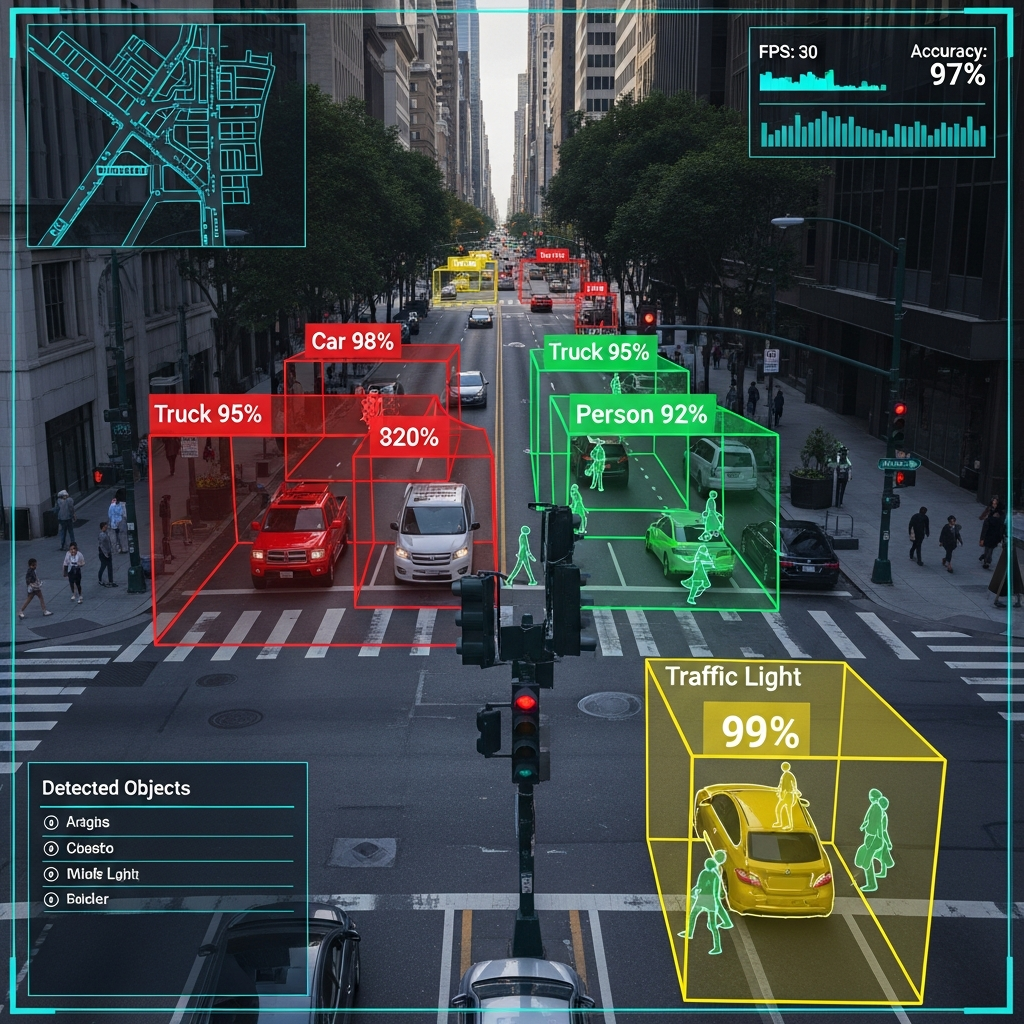
In computer vision, a bounding box is the most common type of image annotation. Experts at Coral Mountain Data train data and highlight objects using rectangular box annotation. It defines the boundaries of objects in a two-dimensional space using graphic representations. The boxes are usually used in computer vision and ML applications for separating areas of interest for objects.
Polygon Annotation
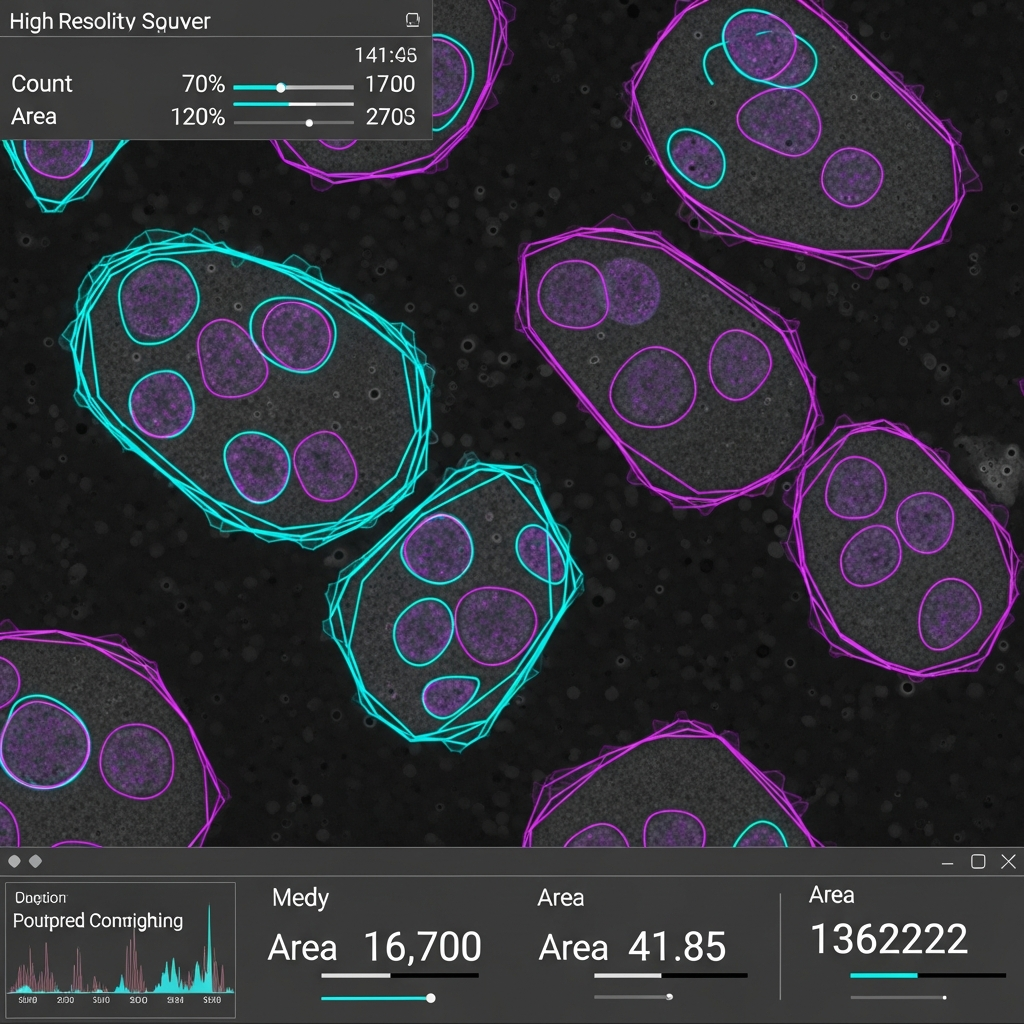
This involves marking and drawing shapes on a digital image. Coral Mountain Data's team of experts handles polygon annotation by marking objects within an image based on their position and orientation. It involves image labeling of irregular dimensions. This precise method allows AI models to recognize complex shapes and boundaries more accurately.
Semantic Segmentation
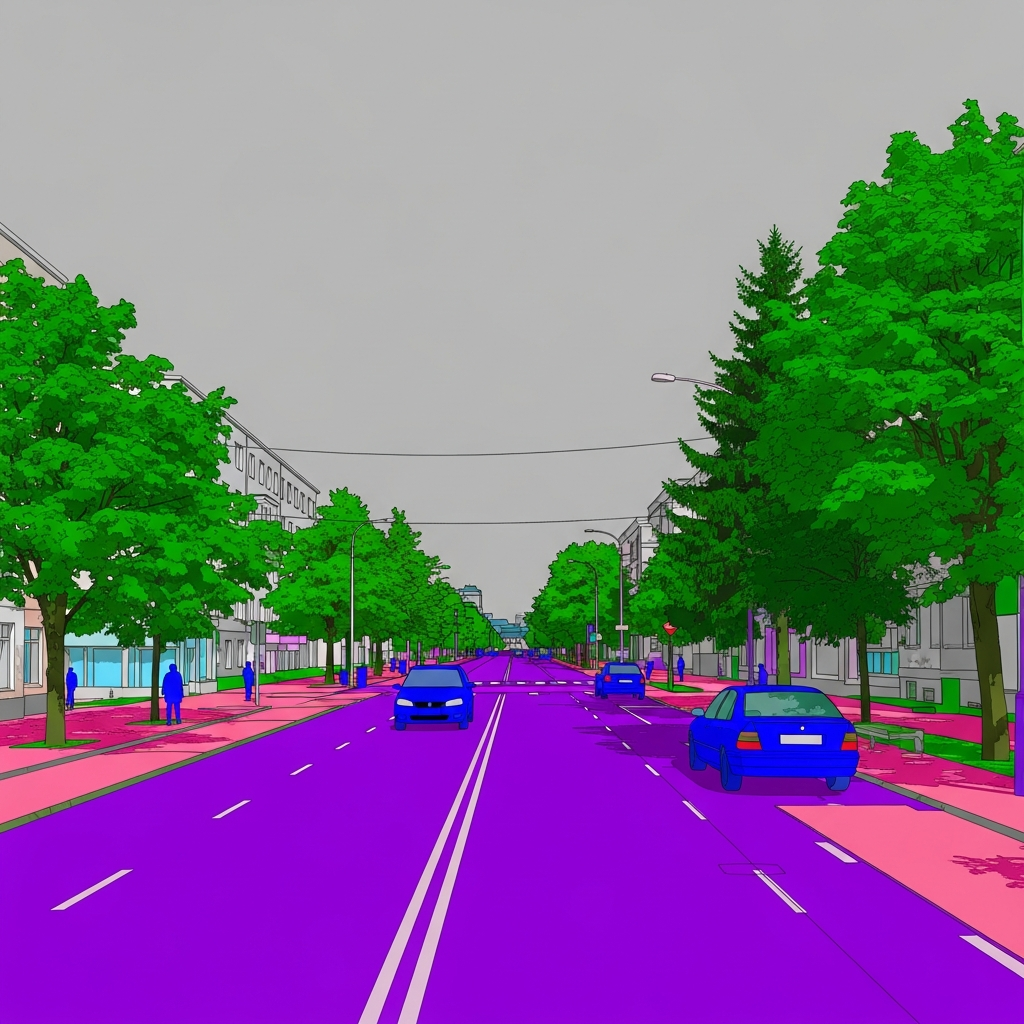
In computer vision, a semantic segmentation technique is used to segment images. An image dataset is semantically segmented to locate all categories and classes. Our experts assign a class label to every pixel to comprehend complex visual scenes as humans do. It is an end-to-end image analysis process that divides a digital image into multiple segments and classifies the information contained in each region.

Key Point Annotation
Our professional team annotates keypoint image data by connecting multiple dots, which helps recognize facial gestures, human poses, emotions, expressions, body language, and sentiments. This is an image annotation service where algorithms can better comprehend and make sense of visual data due to highlighted key points.
Object Detection
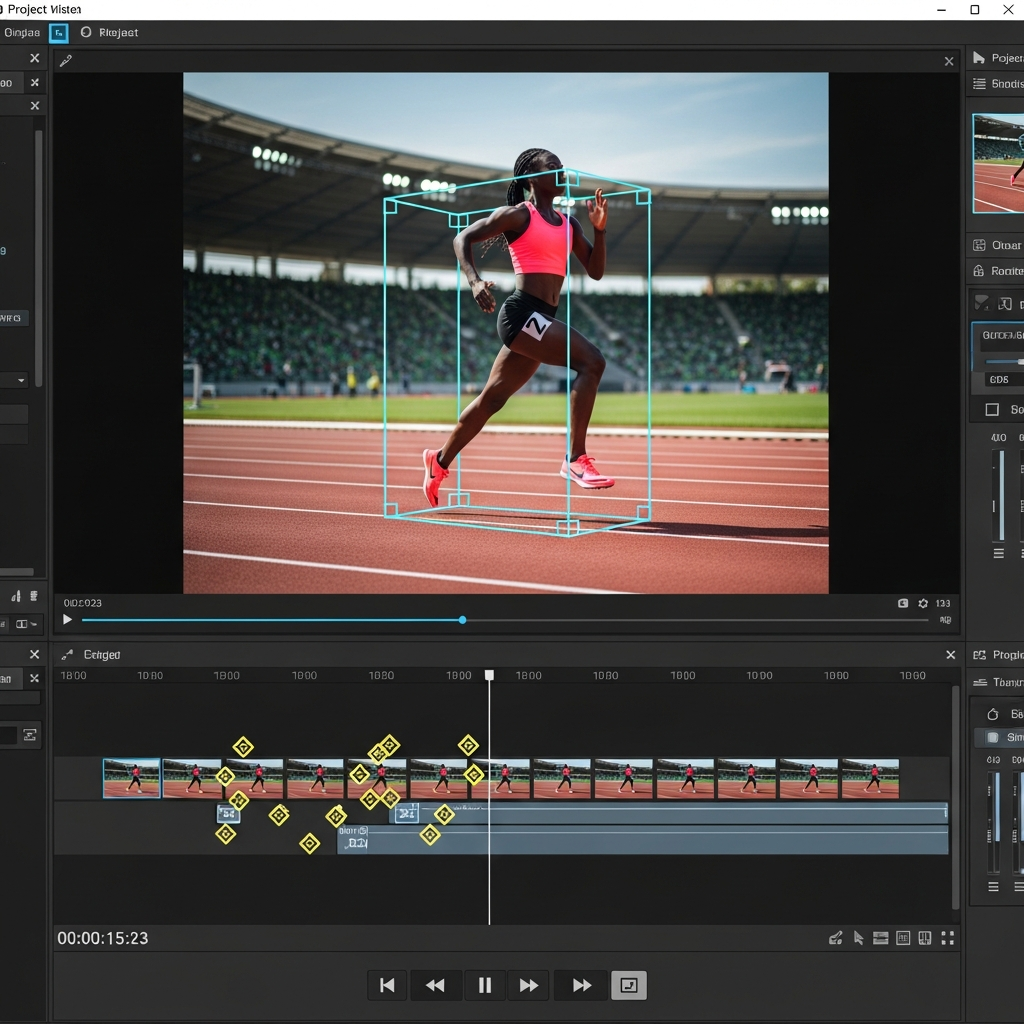
Object detection involves localizing and identifying semantic objects like vehicles, humans, or other defined classes within digital videos and images. At Coral Mountain Data, we deliver high-quality annotated datasets that strengthen AI models for diverse use cases, comprising surveillance, robotics, medical imaging, retail analytics, autonomous driving, and more.

3D Cuboid Annotation
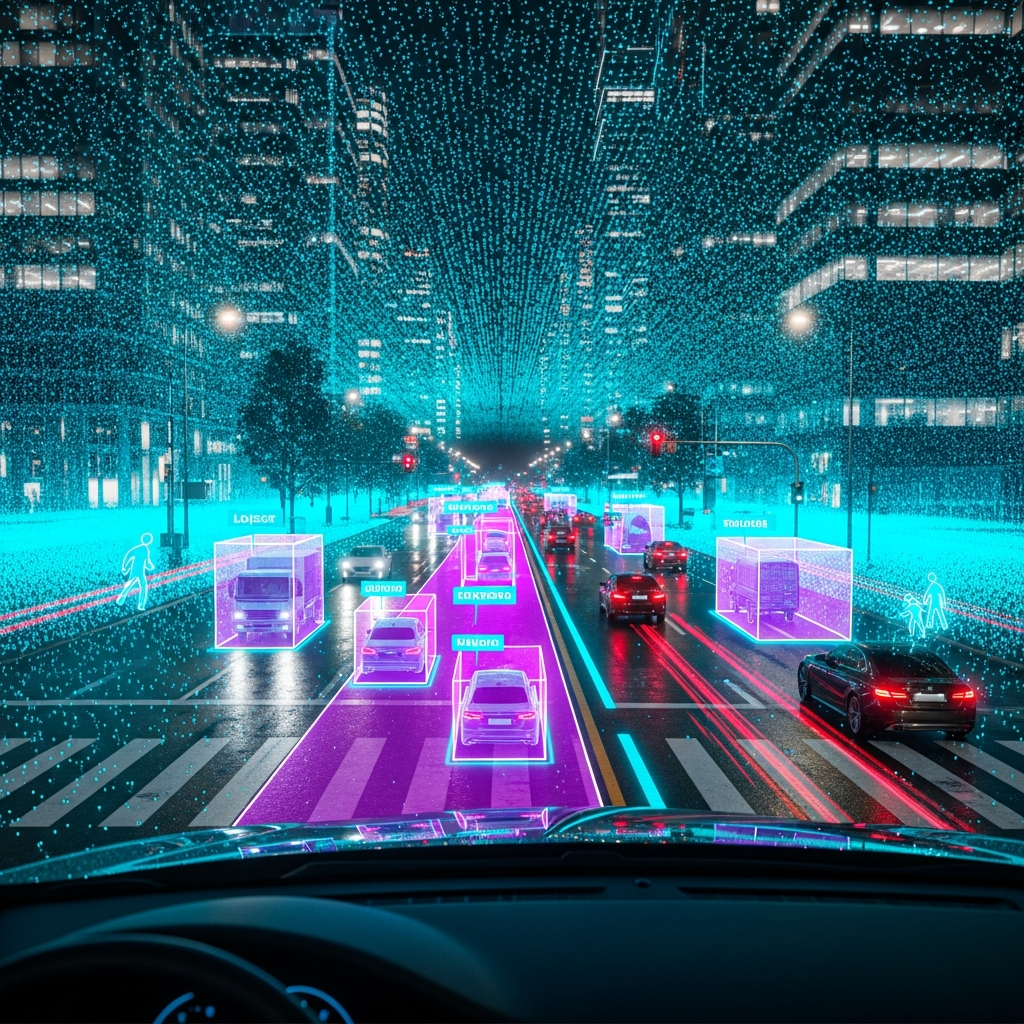
Coral Mountain Data's 3D cuboid annotation experts help recognize objects in three dimensions. This allows the detection and recognition of 3D objects in images. 3D cuboids help machines determine the depth of objects, such as labeling vehicles, people, pedestrians, buildings, and other real-world objects in applications like autonomous driving and robotics.

Skeletal Annotation
This technique highlights body movement and alignment. Our annotators connect lines on the human body with dots at points of articulation. It involves marking key points, or joints, within an image or a video frame on a skeleton, such as elbows, shoulders, head, and knees. It forms a simple stick-figure representation of body structure.

Image Classification
Our annotators classify images, a fundamental task in computer vision, to help AI systems comprehend the content of an image. Images or objects are classified within images according to custom multi-level taxonomies, such as land use, crops, etc. It converts image data into image insights for AI and ML models.
Proven Applications
See how industry leaders are leveraging our solutions in production environments.
Discuss Your Use Case
Autonomous Vehicles
We support the autonomous industry with well-annotated training data to enable vehicles to detect trees, cars, objects, animals, traffic lights, and debris.
Medical
Improving clinical and surgical procedures with AI integration by detecting anomalies and diseases in medical imaging data such as X-rays, MRIs, and CT scans.
Retail
Tagging features like pattern, fabric, color, and category to help AI models match relevant products, streamlining in-store operations and inventory management.
Security & Surveillance
Enabling AI in cameras and sensors to detect risks at workplaces, airports, and industrial sites by embedding computer vision into security systems.
Agritech
Identifying product defects and crop diseases, sorting produce, managing livestock, capturing soil quality, and allowing algorithms to detect crop problems in real-time.
Insurance
Preparing training data to incorporate AI in insurance processes for accurate risk assessment, fraud detection, and reducing human error.